What Is Polyethylene-Coated Paper and Why It Supports Food Preservation
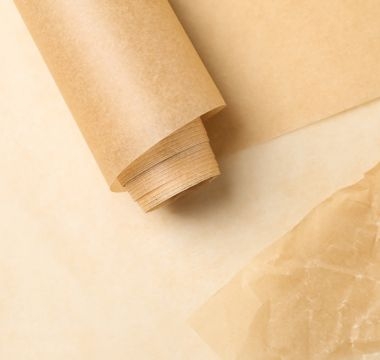
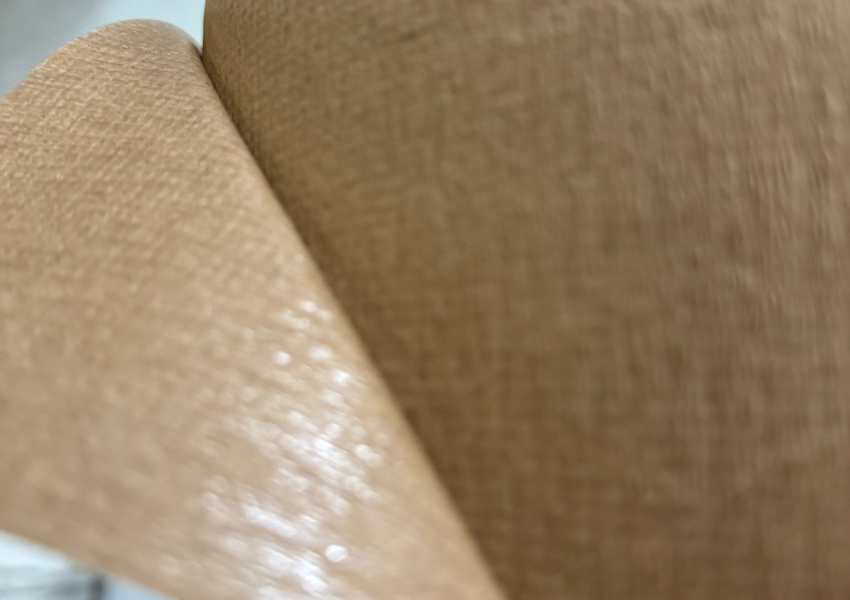
Polyethylene-coated paper is created through an extrusion coating process, where a layer of polyethylene is applied to a paper substrate. This method combines the strength and flexibility of paper with the barrier properties of polyethylene, resulting in a reliable and food-safe packaging base.
From the standpoint of food preservation, this combination offers key benefits:
- The paper base ensures stability, strength, and easy handling.
- The polyethylene layer provides a protective barrier against grease and moisture.
- The final material performs reliably in demanding industrial applications.
At Arrosi, we manufacture both polyethylene-coated crepe paper and polyethylene-coated kraft paper, tailoring the base grammage and polyethylene layer according to each food industry´s specific requirements.
Moisture Resistance: A Key Element in Food Preservation
Moisture is one of the main threats to food preservation. Exposure to humidity or condensation can lead to product degradation, texture loss, or packaging failure.
Polyethylene-coated paper is highly recommended as a barrier against moisture, thanks to the polyethylene layer that prevents water penetration or structural damage to the paper. This means the material maintains its properties even in environments where standard, uncoated paper would quickly break down.
This level of moisture protection is essential to maintain food product stability throughout storage, transit, and retail display.
Grease Resistance and Its Role in Food Preservation
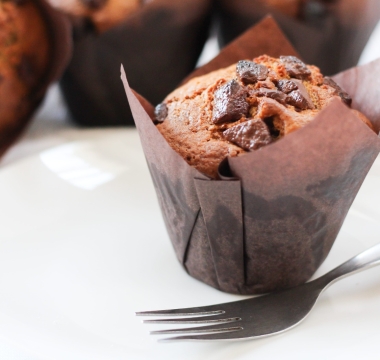
Many food products contain oils and fats that can migrate through ordinary papers, affecting both appearance and packaging integrity.
The polyethylene coating provides an effective barrier against grease, preventing staining or seepage and keeping the outer packaging clean and functional. For food industry applications, this offers several benefits:
- Protects the product from external contamination.
- Maintains the packaging’s structural integrity.
- Enables easier handling and transport without leakage issues.
These features make it ideal for food-safe paper applications where fat migration is a concern.
Tailored Grammages for Technical and Food-Safe Applications
A major advantage of polyethylene-coated paper in food preservation is its adaptability. Arrosi offers:
- Crepe paper from 30 g/m² to 150 g/m², with polyethylene layers from 10 g/m² to 30 g/m².
- Kraft paper from 18 g/m² to 160 g/m², with the same polyethylene range.
This variety allows the packaging to be adjusted to specific food product needs—enhancing protection without excessive material use. From a food preservation standpoint, such flexibility ensures the right performance for each packaging solution.
Base Material for Packaging – Not the Final Food Packaging Itself
Polyethylene-coated paper should be understood as a base material that integrates into more complex packaging systems. It is not a finished, sealed food container. Instead, it forms part of a food-safe packaging solution, providing added protection where conventional paper alone is insufficient.
This approach allows manufacturers to customize packaging formats, adhesive layers, and lamination combinations to meet specific food safety and preservation goals.
Industrial Performance for Reliable Food Preservation
Polyethylene-coated paper demonstrates excellent performance in industrial settings, particularly where heat or adhesives are involved. The polyethylene layer supports bonding in processes where adhesive paper is required—broadening the material’s applications.
In the context of food preservation, this heat and handling resistance ensures consistent packaging quality and reduces operational disruptions.
Food Preservation and Operational Efficiency
Choosing the right packaging material for food preservation contributes not only to product safety but also to process optimization across the supply chain. Polyethylene-coated paper helps to:
- Minimize food waste and packaging failures.
- Reduce packaging-related logistical issues.
- Maintain product stability all the way to its final destination.
By acting as a reliable barrier against grease and moisture, this material improves efficiency without needing over-engineered solutions.
Balancing Technical Functionality and Sustainability
Polyethylene-coated paper strikes a balance between material efficiency and protective performance. It combines a natural paper base with a minimal yet functional polyethylene layer—offering targeted protection where needed.
In food preservation, this helps reduce food waste and supports more sustainable packaging systems. By tailoring the grammage and coating to actual needs, it´s possible to minimize material use while ensuring food safety.
Arrosi’s Polyethylene-Coated Paper for Food Preservation
At Arrosi, we design and manufacture polyethylene-coated paper solutions that meet the rigorous demands of the food industry. Through controlled extrusion coating and customizable grammages, our food-safe papers help ensure product stability and packaging performance throughout the entire distribution chain.
Our polyethylene-coated crepe and kraft papers offer proven performance in applications where food preservation depends on barrier properties, material reliability, and production efficiency.
To learn more or determine suitability for your application, contact the Arrosi team through our contact page.
FAQs on Crepe Paper and Food Preservation
What is crepe paper and how is it used in food preservation?
Crepe paper is a flexible and durable base paper used in industrial applications. When coated with polyethylene, it becomes a food-safe solution for packaging that requires resistance to moisture and grease.
Are crepe paper and crepado paper the same?
Yes. Both terms refer to the same highly adaptable, textured paper used in industrial and food-safe applications.
Why is polyethylene applied to crepe paper?
The polyethylene coating improves the paper´s resistance to moisture and grease, making it suitable for use in food preservation.
Is polyethylene-coated crepe paper a finished food packaging?
No. It is a base material, not a final food container. It’s used as part of multi-layer packaging systems for the food industry.
What advantages does polyethylene-coated paper offer over uncoated paper?
It delivers effective barrier protection, maintaining integrity and performance in conditions where uncoated paper would degrade.
Why choose specialized manufacturers like Arrosi?
Because specialized producers can tailor grammage and technical specifications to ensure the paper meets actual food preservation requirements.